Averheim · Grand County of Averland

House
Leitdorf

One Sun · One Sword · One Bloodline

From the sun-scorched plains to the crags of Black Fire Pass, Averland stands today beneath the banner of a single house: Leitdorf.

The sun bears witness, the sword passes judgement

▾ Scroll Down
History of the County

The Averland Chronicle

Two and a half thousand years carved into the stones of Averheim — from Brigundian war chariots to the blade of the Mad Count.

The man who rode beside Sigmar in the final charge was a Brigundian.

Chapter I

Brigundian Roots

Averlanders say their ancestors came to this land in the great migration, a thousand years before the Empire. Masters of horse and chariot, the Brigundians drove out or subdued the old tribes of the plains and raised their first camps on the bluff above the River Aver.

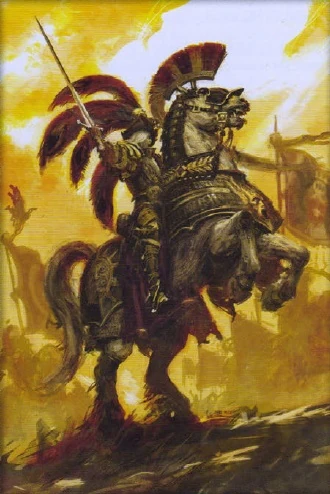
Famed for striking fast and hard, the Brigundians befriended the Dwarf kings and rode as cavalry in their armies. That friendship was repaid on the morning the Empire was born: at Black Fire Pass, in the final charge against the greenskin horde, the honour of riding at Sigmar's side went to the Brigundian chieftain Siggurd.

After the victory Sigmar named Siggurd one of the counts of his new Empire. The Brigundian camp was now a seat of rule: Averheim.

The Averburg never fell. Gorbad's orcs never forgot the Plenzerplatz.

Chapter II

The Averburg and the Pillar of Skulls

Siggurd wanted a symbol no rebel or invader would dare to challenge, and raised the Averburg on the highest point of the city. Over the centuries the castle was torn down, rebuilt and enlarged; yet no scholar has ever been allowed into the crypt of the Elector Counts beneath its foundations.

In the 1700s the orc warlord Gorbad Ironclaw led his Waaagh! into Averland, breached the walls of Averheim and reached the city's main square, the Plenzerplatz. There the Grand Count, his bodyguard and the last soldiers of Averland met them. Slaughtered by the hundreds, the orcs were forced to abandon the city.

The Count had a monument raised from the skulls of the dead orcs. The Pillar of Skulls still stands in the square today — and Averheimers think twice before leaning on it.

The Alptraums besieged Streissen. Marius besieged the Alptraums.

Chapter III

The Fall of Alptraum

For many years the Alptraum family ruled Averland. But in 2502 a famine brought on by crop blight turned into revolt in Streissen. The ageing Countess Ludmilla Alptraum demanded the town's charter of freedom as the price of sending troops, and restored order in a bloodbath. That day the people's hearts turned against the Alptraums.

In the Turmoil of 2512, as the Empire tore at itself, Averland was the first province to fall into chaos. When the Alptraum army laid siege to Streissen, the forces of Marius Leitdorf outflanked them. The heir Marlene Alptraum was defeated, and Streissen became the stronghold of the Leitdorf banner.

When the Turmoil ended, Marius was confirmed as the rightful Elector Count of Averland. Emperor Karl Franz, for his part, sent a man to keep this strange and fearless count in check: his own Champion, Ludwig Schwarzhelm.

The drums beat again beyond Black Fire Pass. Once more, Averland will stand in the first rank.

Chapter IV

The Present Day

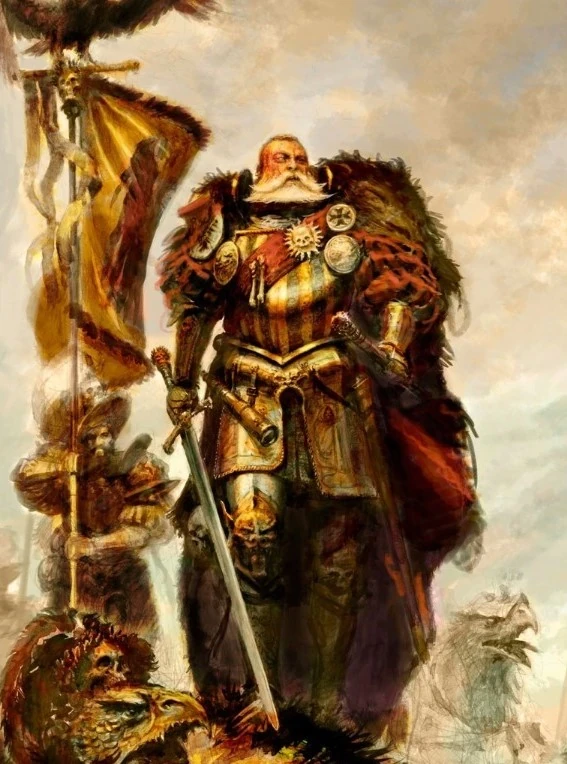
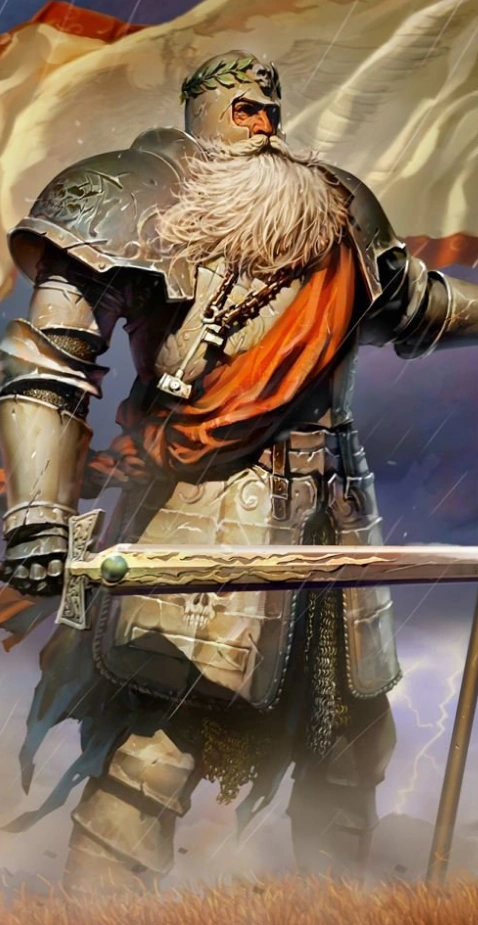
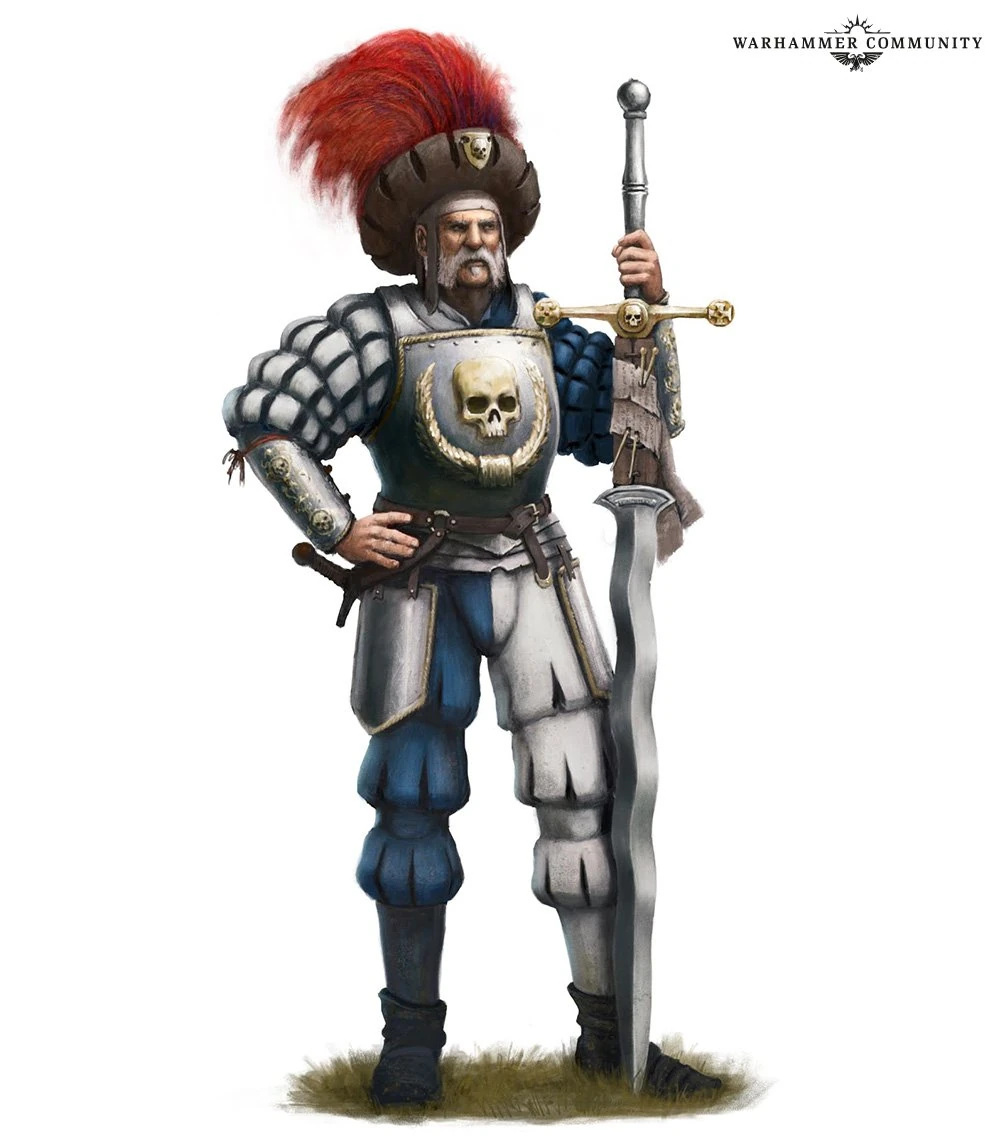
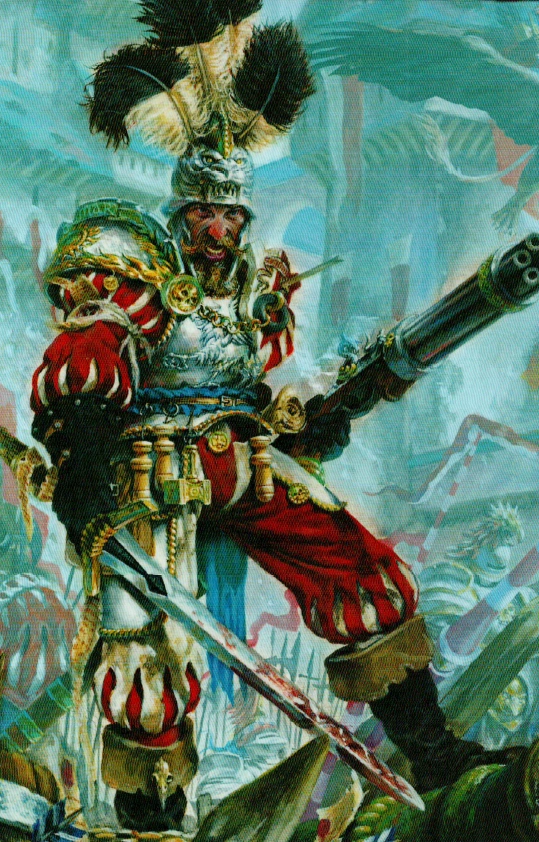
Averland is ruled today by Elector Count Marius Leitdorf. At his side stand his son and heir, General Sir Leopold Leitdorf, and the Emperor's Champion and son of Averland soil, General Ludwig Schwarzhelm. The army's burden in the field is carried by Captain Jurgen von Kopf of the Black Field Sabres, while the Count's cousin, Lieutenant von Schreck, runs the plains patrols and dealings with the cattle lords.

The slaughterhouses and cattle markets of Averheim, the fur and ore trade of Grenzstadt and the famous wines of the southern slopes fill the county's treasury. But the peace is thin ice: the Alptraums are quietly regaining strength, and every month brings word of a larger greenskin horde beyond Black Fire Pass.

The story of House Leitdorf is not over — every new siege, every new Waaagh! adds another chapter.

Members of the House

Chain of Command

The Leitdorf blood and the house's closest blades, who share the rule and the army of Averland.

Political Structure

Lands and Settlements

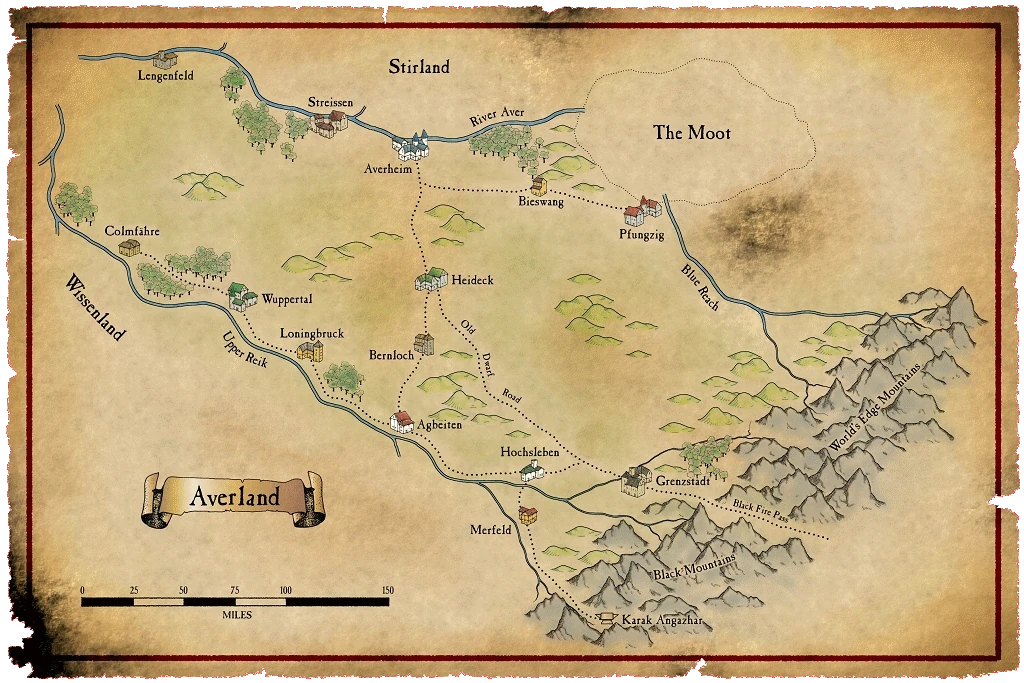
Averland is a land of sunny plains in the south-eastern corner of the Empire, between the Upper Reik and the River Aver, and holds the political status of a Grand County.

Map of Averland
The Grand County of Averland — from Stirland to the Black Mountains
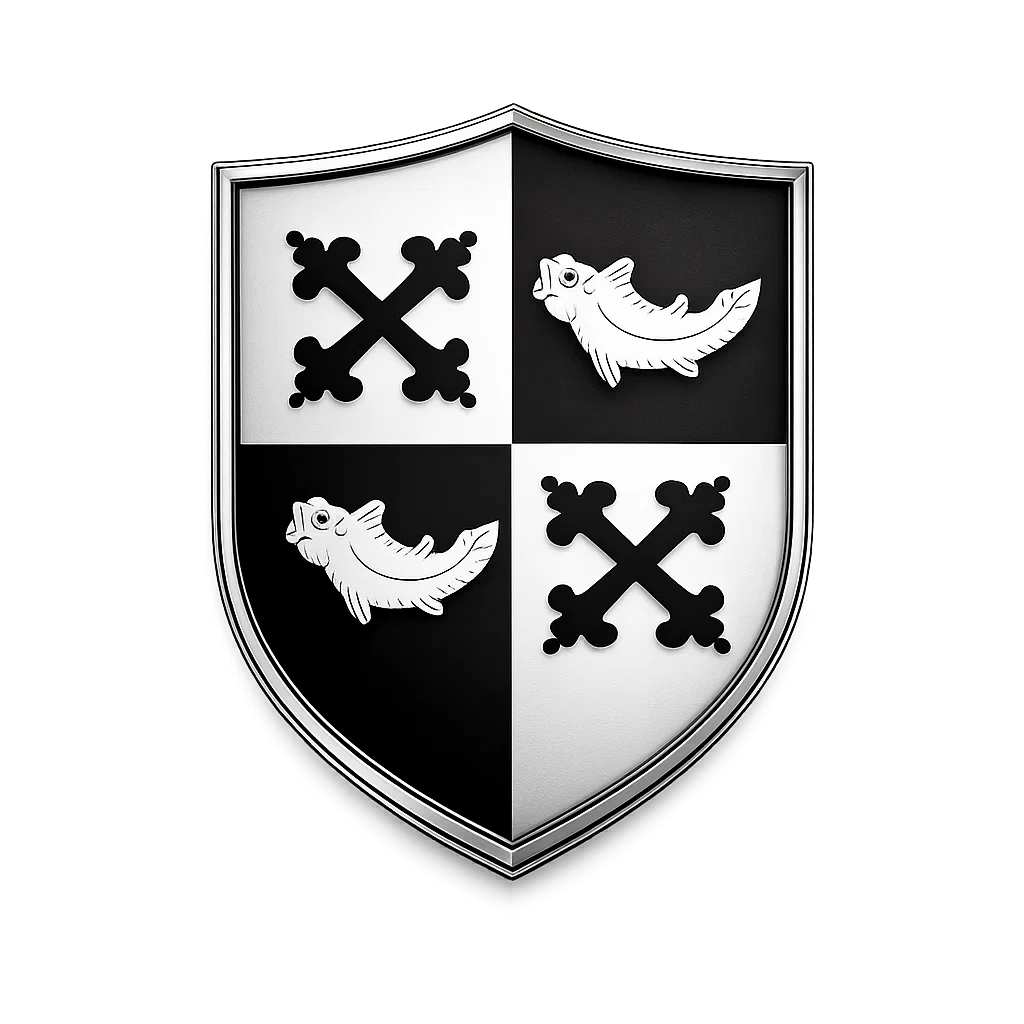
Coat of arms of Averland Seat of the County

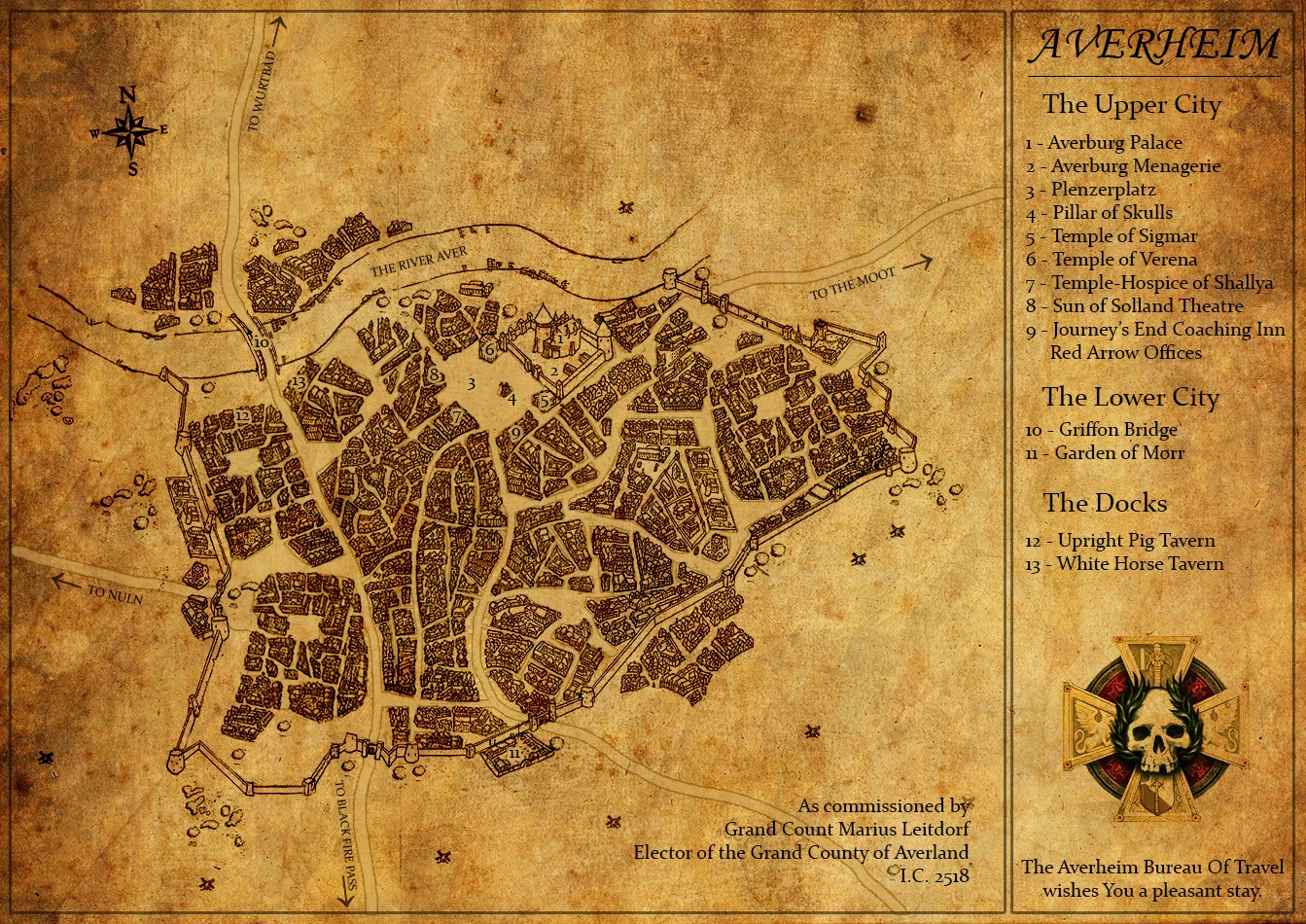
Averheim

Averburg · Cattle Markets · Stockyards

The capital, built on a bluff above the River Aver. Safe from the floods, it is where the great cattle drives come to an end.

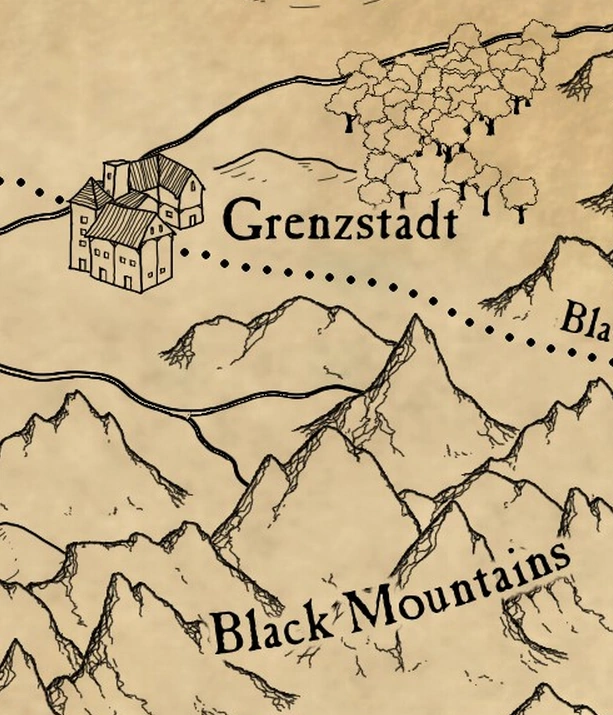
Map of Grenzstadt Fortress Town

Grenzstadt

Furs · Gems · Ore Trade

The border fortress holding the western end of Black Fire Pass. Pilgrims, merchants and Dwarf caravans meet here; Grenzstadter White is the fashion in Marienburg.

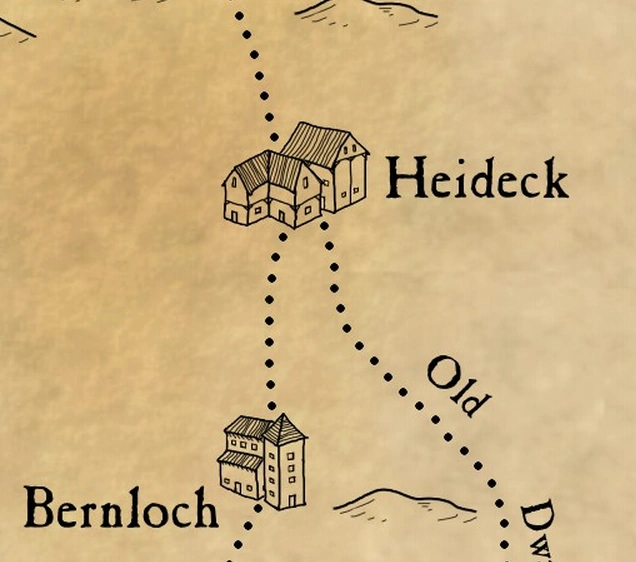
Map of Heideck Town

Heideck

Dwarf Ruins · Crossroads

A crossroads town built on the ruins of a way station from the age of the Dwarf Empire. "Authentic" maps to the lost Dwarf catacombs are sold here.

The Empire → Grand County of Averland → House Leitdorf → Averheim, Streissen and Grenzstadt
Told Among the Folk

Legends of Averland

Words whispered from generation to generation in taverns and cattle camps — beyond the official records of Averheim.

"The Count's crypt is not empty… it never was."

Coat of arms of Averland Averburg

Siggurd's Tomb

Beneath the Averburg lie the crypts where the Elector Counts rest. For years scholars have asked permission to study the castle's foundations; every time their petitions are refused without explanation.

Everyone in Averheim thinks they know why. Legend says the Brigundian chieftain Siggurd was buried there with his shield, his spear and his chariot — each of them an ancient relic of great power.

If that is true, no count would want his neighbours to know he holds such weapons. If it is false, he would want it known even less.

It is said that Mad Count Marius once went down into the crypt alone one night and came out laughing just before dawn. Nobody has asked what he saw. If they had, he would most likely have consulted his horse.

In Averland, secrets are not buried. They are only left to wait.

"Do not look at the Pillar on the Night of Mystery… it looks back."

Plenzerplatz

The Pillar of Skulls

When Gorbad Ironclaw's orcs were driven back from the Plenzerplatz, the Count of the day had the skulls of the dead gathered and stacked in the middle of the square. His aim was to leave a reminder for every green head that might ever think of coming to Averheim again.

The Pillar has stood for centuries. By day children play in its shadow, and merchants name it as a meeting place. But one night a year the square empties.

On the Night of Mystery, when both moons are full, blood is said to drip from the eye sockets of some of the skulls. The city watch take the long way round that night; those who must cross the square keep their heads bowed.

At every change of the watch the same words are whispered: "Walls can fall. The Pillar does not forget."

Military Archive

Wars and Campaigns

The recorded pitched battles, sieges and defences of the armies of Averland.

-1Imperial Calendar
Pitched Battle · Victory

The Battle of Black Fire Pass

Sigmar's united tribes and their Dwarf allies crushed the great greenskin horde in the pass. In the final charge the Brigundian chieftain Siggurd rode at Sigmar's side.

1707Defence of the City
Siege Record · Victory

The Defence of the Plenzerplatz

Gorbad Ironclaw's Waaagh! breached the walls of Averheim, but the Averburg did not fall. The Grand Count's bodyguard trapped the orcs in the main square and drove them from the city.

2512In Leitdorf's Favour
Siege Record · Victory

The Siege of Streissen

As the Alptraum army besieged Streissen, Marius Leitdorf's forces struck from the flank. With Marlene Alptraum's defeat, the Leitdorfs took the rule of Averland.

0Walls Lost — Defence
Siege Record · Victory

The Siege of Grenzstadt

A greenskin horde descending from the pass besieged the fortress town. Benno and Gelfrat of House von Kopf fell in a tower; Captain Jurgen von Kopf's Black Field Sabres broke the siege.

The Averheim Gazette

Announcements & Current Events

The latest events, appointments and official notices in the county.

Midnight was long past. The feast Count Marius had thrown in honour of "the anniversary of the Defeat of the Bees" was over, and the corridors of the Averburg were full of overturned cups and half-finished songs. The Grenzstadter White spilled on the library stairs, meanwhile, waited unnoticed to dry.

But sleep had not come to General Ludwig Schwarzhelm that night. Having eaten not a single bite at the feast and made do with the jerky from his belt, the General decided that leafing through a few books would calm his mind. Rumour has it the book he was looking for concerned Averland's old tax records; why he could not sleep is therefore still debated.

On the way back he took the first few steps of the dark staircase with care, stopped on the third, noticed the gleaming stain and said to himself, "Sand needs to be spread here in the morning."

The fourth step did not agree.

The General's foot suddenly slipped. The Emperor's Champion first tried to recover his balance, then tried to grab the wall, and finally managed to descend several steps by a method never before seen in the Empire. The guards who heard the noise found him at the bottom of the stairs, clutching his shoulder — and, according to witnesses, still not smiling.

A first examination found his shoulder bruised but his condition not serious. On hearing of the accident, Count Marius announced that he had consulted his horse Daisy, who recommended "sentencing the steps to death". General Sir Leopold Leitdorf, more reasonably, ordered more torches placed on the stairs.

Among the guards, however, the real lesson of the night had already been recorded in another way: "Reading books in the Averburg is more dangerous than standing watch at Black Fire Pass."
For three days the streets of Averheim were filled with lowing, dust and the shouts of the cattle lords. Noble families true to tradition led their herds in person; at the market count the pens overflowed, and the salting tables on the Aver docks worked through the night.

Lieutenant von Schreck, who guarded the herd across the plains, delivered the Count's share with the report that "not a single animal was lost to the rat-men on the road". That part of the report, as usual, was not entered into the record.

The city watch repeated the traditional warning: while the cattle lords are in town, stay out of the taverns. General Sir Leopold Leitdorf announced that part of the herd's bounty had been sent to the Grenzstadt garrison.

For ten days a goblin band coming down from Black Fire Pass had been raiding the caravans between Grenzstadt and Hochsleben. Two Dwarf wagons were plundered and a fur trader barely escaped wounded. The town sent urgent word to Averheim.

Captain Jurgen von Kopf dispatched a twelve-man detachment of the Black Field Sabres to the pass; Grenzstadt's most experienced hunters followed the tracks and guided them to the band's cave. In the dawn raid the band's chief was killed and the rest fled deep into the mountains.

Afterwards the watchtowers along the road were brought back into use. Von Kopf praised the hunters: "Without the Sabres these mountains could not have saved their hunters so quickly — and without the hunters, neither could the Sabres."

The north tower where Benno and Gelfrat von Kopf fell had stood half-ruined since the siege. Count Marius, remarking that he finds the Dwarfs "always more trustworthy than the other Electors", entrusted the repairs to the masons of Karak Angazhar.

Thirty workers laboured for six weeks under master mason Dunrik; the old stones were removed one by one and re-cut. During the work, a Brigundian-era bronze plate engraved with an angry sun face was found in the tower's foundations.

The plate is now displayed in the ceremonial hall of the Averburg. Captain von Kopf had an inscription bearing his brothers' names placed on the tower. Dunrik, finishing his work, said only this: "These stones are Dwarf work. Let the greenskins try again."

Eight soldiers who had taken up arms in the last three months were chosen by Captain Jurgen von Kopf and sent to the Nuln garrison for training. The three-week programme covered pike wall formation, mounted pistol fire and night watch discipline.

In the final day's exercise the Averland soldiers were assessed in mixed detachments alongside recruits from other provinces; all eight completed it without once breaking the line and were promoted to Tier 4. In his farewell speech Lieutenant von Schreck warned them of "the danger that will come from the sewers"; the Nuln instructors took it for a joke.

On their return a small ceremony was held in the Averburg courtyard; Count Marius Leitdorf presented each of them with a belt buckle bearing the sun of Averland and read each of them a long poem of their own. Von Kopf said this generation would form the backbone of the army.